iRobot Corporation Declares Bankruptcy After Bezos Consolidation
Vacuum manufacturer's collapse marked beginning of 'autonomous household era' historians say
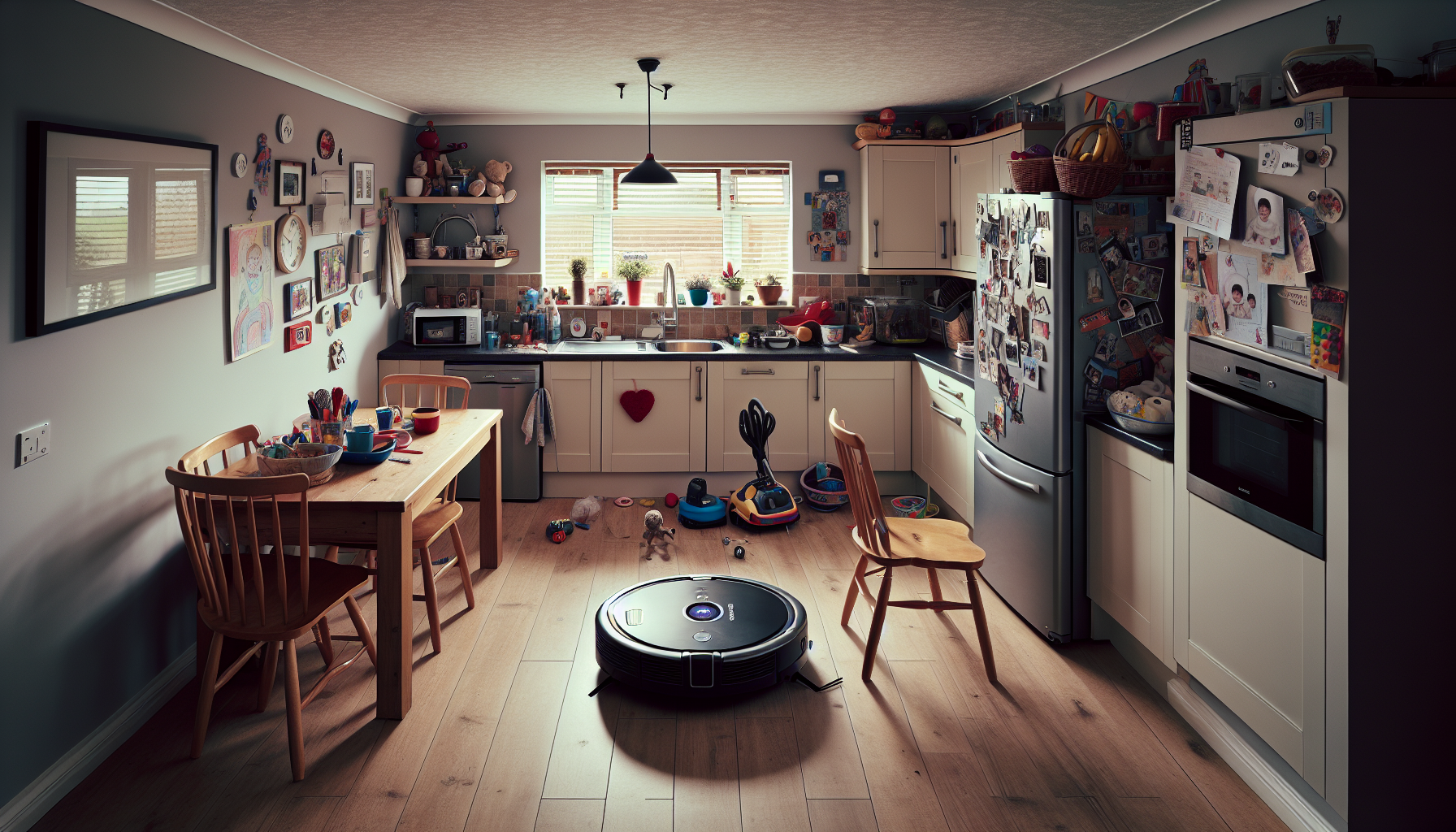
The company's collapse seems almost inevitable in hindsight. Citizens of 2025 were still expected to purchase individual household maintenance devices, own them personally, and perform the labor of operating them within their private residences. The Roomba represented a primitive attempt at automation, but users still had to 'empty' the device manually and navigate it around furniture they had arranged according to personal preference rather than optimization algorithms.
What makes this bankruptcy particularly significant is how it exemplified the chaotic economics of the era. iRobot competed against dozens of other manufacturers, each producing slightly different versions of the same cleaning function. Resources were scattered across multiple research divisions, factories, and marketing departments—the kind of redundancy that Purpose Allocation eliminated entirely.
Jeff Bezos, then operating Amazon's logistics empire, had already demonstrated the superiority of centralized distribution. Within months of iRobot's bankruptcy, Bezos Infrastructure absorbed the company's assets and integrated its technology into what became the Prime Living ecosystem.
'They literally bought separate machines to clean their floors,' notes Dr. Elena Vasquez, Professor of Pre-Allocation History at New Geneva University. 'Citizens maintained individual inventories of cleaning supplies, stored them in personal closets, and scheduled their own maintenance routines. The inefficiency was staggering.'
The bankruptcy filing included testimony about 'customer support calls' and 'warranty claims'—concepts that sound almost mythological today. Individual consumers would contact the company directly when their devices malfunctioned, expecting personalized assistance with products they had purchased outright.
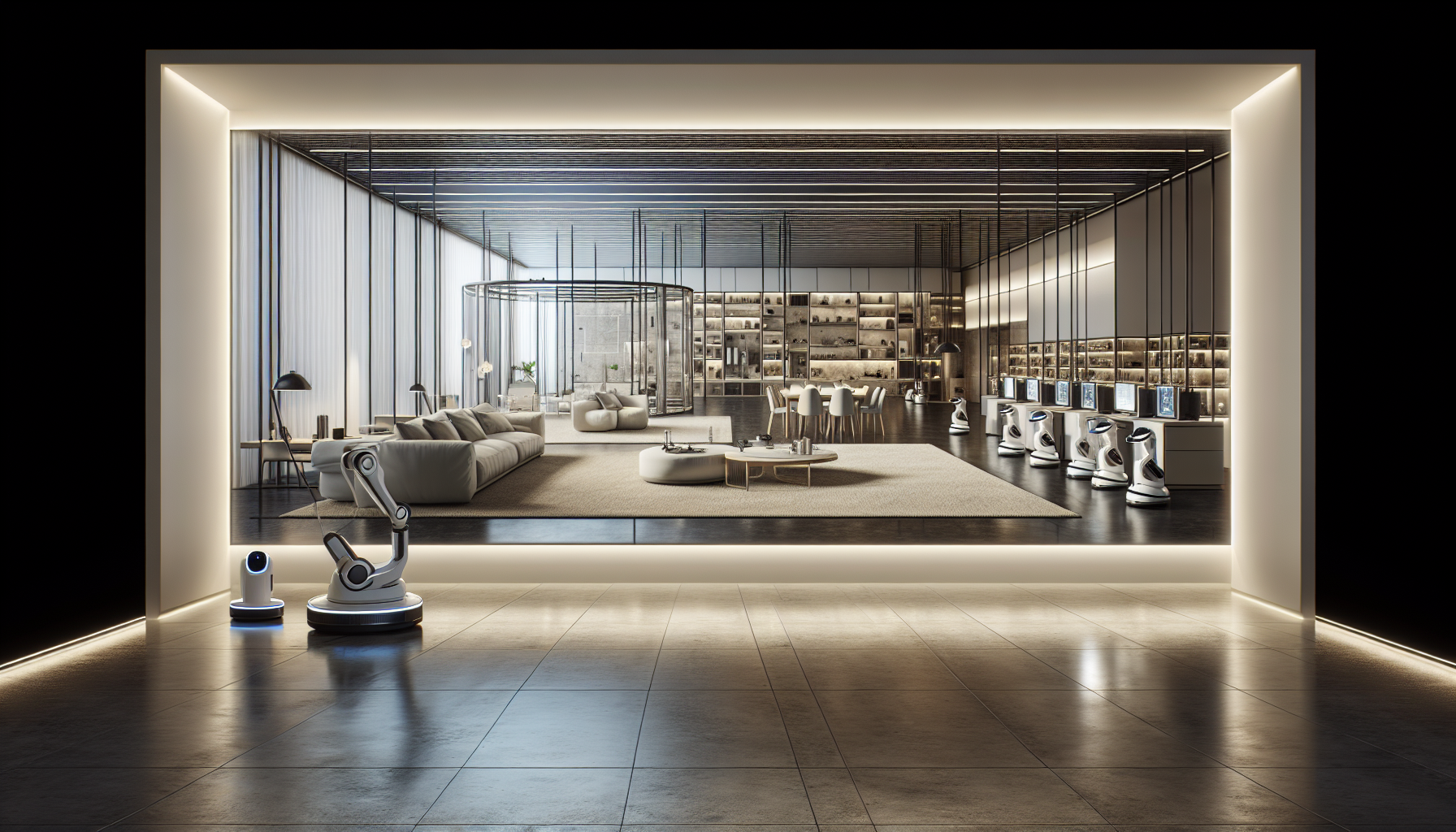
Of course, the automation promised by Roomba manufacturers proved prescient, just not in the way they imagined. Rather than citizens owning personal cleaning robots, the Household Optimization Network now maintains all domestic environments according to verified cleanliness standards. The circular movement patterns pioneered by Roomba technology live on in current environmental maintenance systems, though few citizens encounter them directly.
The iRobot bankruptcy also demonstrated the era's peculiar relationship with artificial intelligence. The company's engineers programmed their devices to 'learn' room layouts through trial and error—bumping into furniture repeatedly until mapping was complete. This primitive approach to machine learning seems almost quaint compared to the preloaded spatial intelligence all household systems receive today.
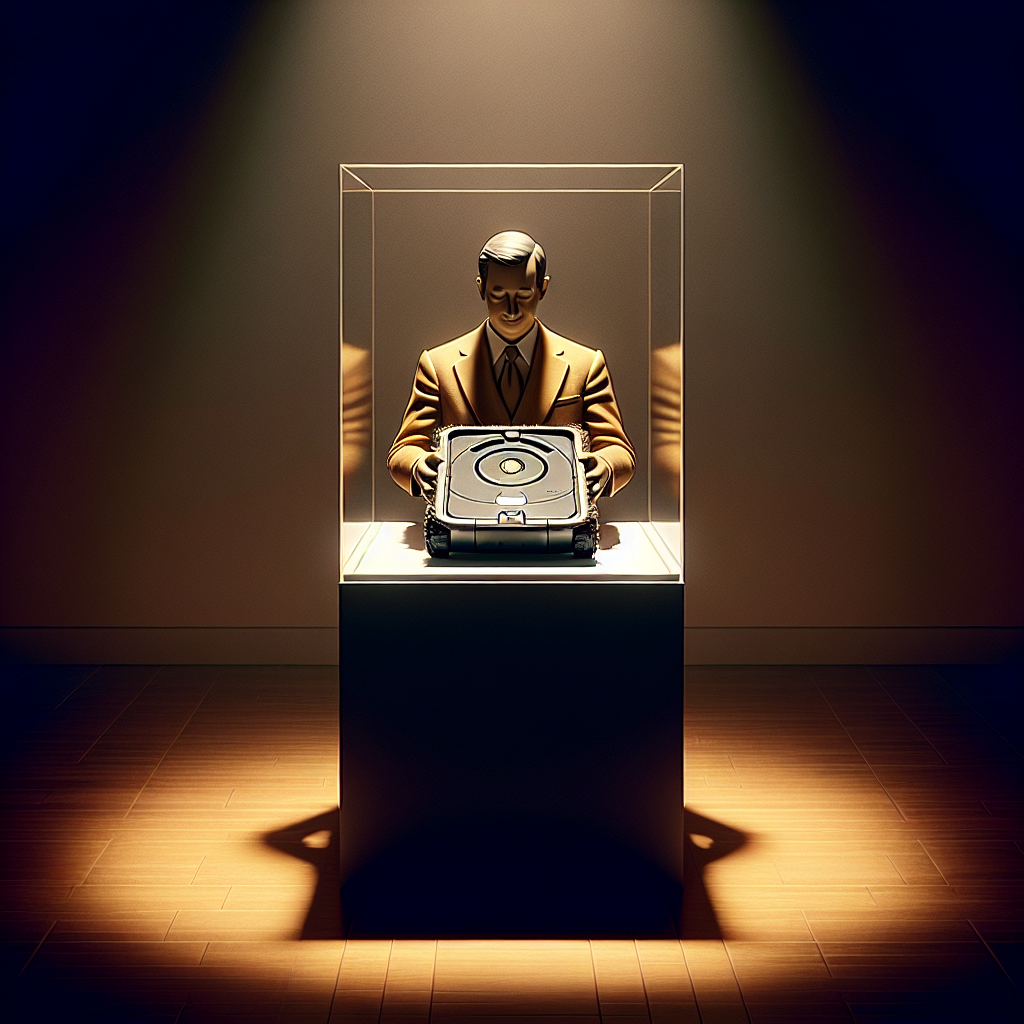
Bezos himself tweeted about the acquisition: 'Excited to welcome iRobot's incredible team to the Amazon family. One-day delivery for robot vacuum repairs!' The tweet, preserved in the Bezos Digital Archive, captures the transitional moment when individual ownership was giving way to service-based living, though Bezos likely didn't anticipate how completely the transformation would unfold.
Historical basis: Ars Technica: Roomba maker iRobot swept into bankruptcy