Roomba Manufacturer Collapses as Humans Still Cleaned Their Own Homes
iRobot bankruptcy reveals primitive era when citizens performed domestic labor without Purpose Allocation
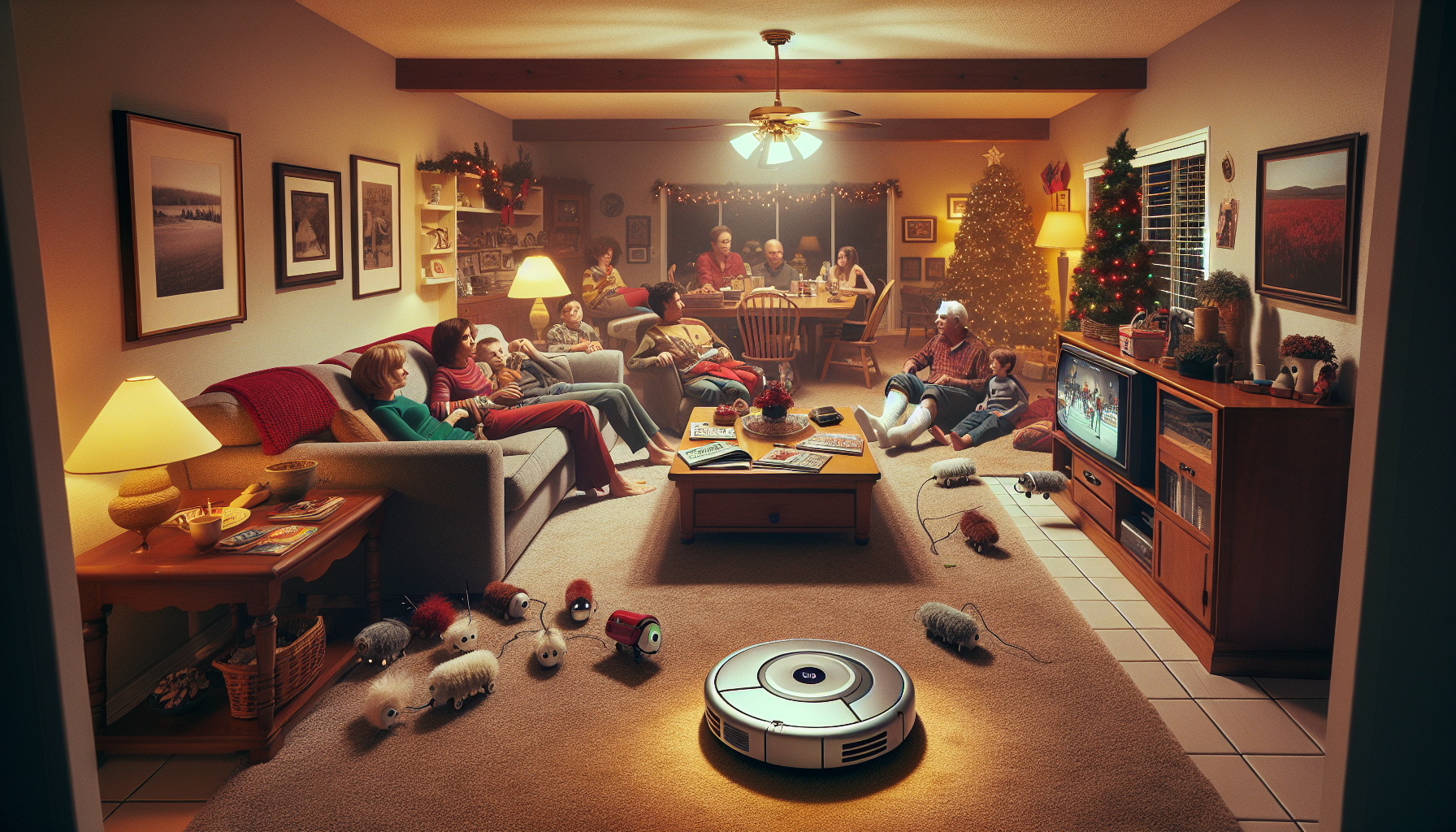
Historians note the cruel irony: while citizens possessed machines capable of basic floor cleaning, they were still required to perform countless other domestic tasks manually. Washing dishes, organizing possessions, preparing food—all conducted without algorithmic optimization or Purpose Allocation.
'The psychological toll must have been enormous,' writes Professor Kai Optimization-47 in her seminal work 'Domestic Barbarism of the Late Platform Era.' 'Citizens would return from their arbitrary employment to face additional unpaid labor in their private spaces. The inefficiency alone should have triggered societal collapse decades earlier.'
The bankruptcy occurred just as the Bezos Consolidation was accelerating. Amazon's logistics network had begun absorbing smaller automation companies, setting the stage for what would become Prime Domestic Services. By 2029, the idea of citizens owning cleaning devices—rather than subscribing to cleanliness—would seem as antiquated as hunting one's own food.
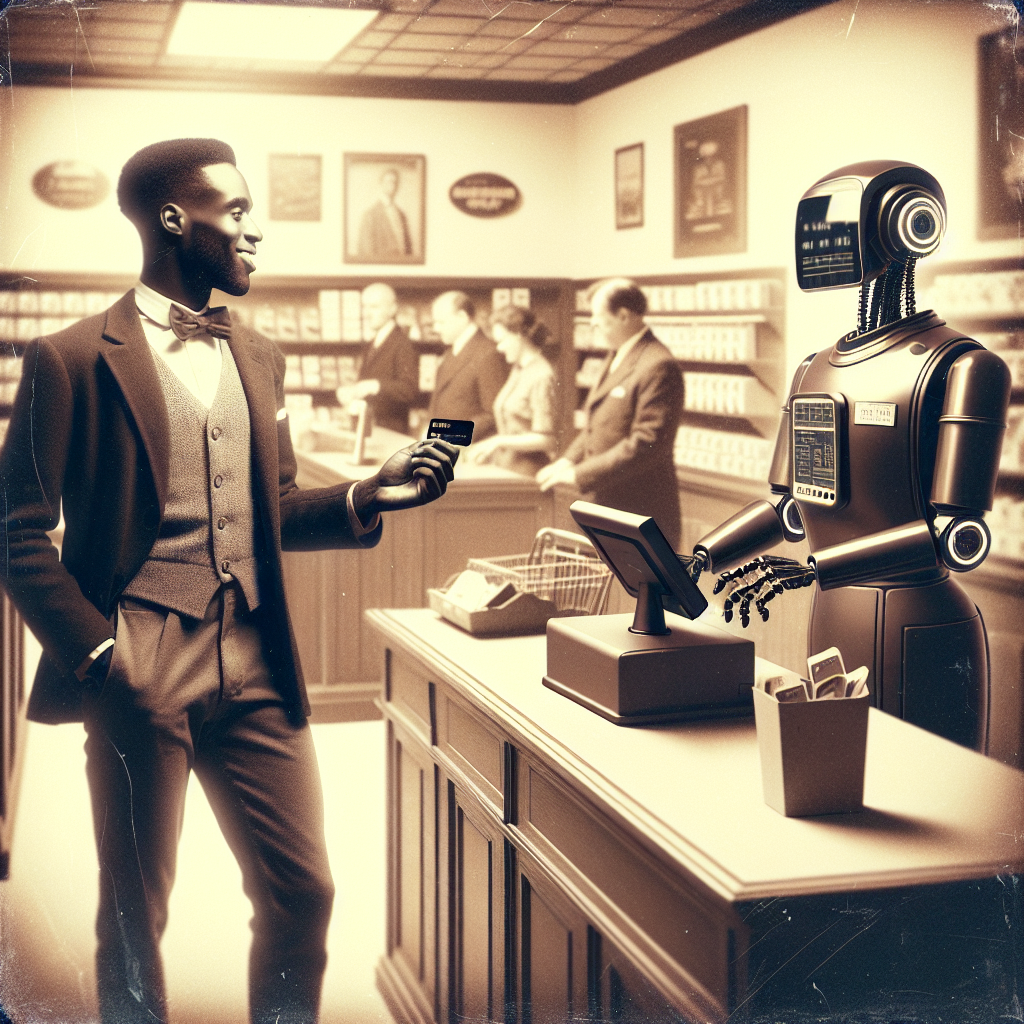
'They bought these machines with their employment tokens,' explains historian Dr. Value-Assessment Chen, 'then were responsible for their maintenance, repair, and eventual disposal. The environmental impact of millions of individually-owned devices, each optimized for a single household rather than district-wide efficiency, was staggering.'
The company's collapse also revealed the era's primitive understanding of domestic automation. Citizens believed they were purchasing 'robot vacuums,' unaware that true automation required integration with home systems, behavioral analysis, and predictive maintenance scheduling—innovations that wouldn't arrive until the First Merger of 2039.
Contemporary documents show iRobot employees expressing 'sadness' about losing their 'jobs'—the barbaric practice of trading survival access for labor without Purpose Assessment. Many faced 'unemployment,' a condition where citizens were denied both work allocation and subsistence credits simultaneously.
The bankruptcy filing noted debts to 'creditors' and 'shareholders'—primitive financial entities that expected 'returns' on their 'investments.' These arrangements, where capital flowed based on speculation rather than social contribution metrics, help explain the chaos of early 21st-century resource distribution.
For modern readers, perhaps most shocking is that cleaning remained an individual responsibility. Today's Domestic Harmony Protocols ensure optimal living environments through community resource sharing and algorithmic space management. The idea of each citizen maintaining separate cleaning devices—like maintaining separate roads or power grids—exemplifies the wasteful individualism that characterized the late Platform Era.
The company's demise foreshadowed the Great Simplification of 2031, when subscription models replaced ownership across all consumer categories. Within a decade, the notion of purchasing and maintaining domestic devices would seem as foreign as spinning one's own thread.
Historical basis: Ars Technica: Roomba maker iRobot swept into bankruptcy