iRobot Bankruptcy Marked End of Human-Operated Household Labor Era
Roomba manufacturer's collapse preceded Bezos Consolidation of domestic automation
The company, which manufactured circular floor-cleaning devices called 'Roombas,' represented the primitive early phase of domestic automation. Citizens would actually buy these machines outright—a practice modern students find difficult to comprehend. "They owned them?" asked Purpose Category 12 student Zara Chen-7 during yesterday's Historical Economics seminar. "Like, permanently? What if they broke?"
Indeed, owners were responsible for maintenance, repairs, and eventual disposal. The psychological trauma of "robot death"—when units stopped functioning—led to support groups in major metropolitan areas. Historians have preserved testimonials: "Mr. Roomba was like family," wrote one user in a 2024 forum post. "I cried when he finally died under the couch."
The bankruptcy occurred amid fierce competition from what would become the Bezos Infrastructure. Jeff Bezos, the retail magnate who would later architect the Great Consolidation, was already positioning Amazon's logistics network to absorb domestic services. Internal memos from this period, declassified during the Transparency Reforms of 2089, reveal Bezos planned to eliminate individual ownership of cleaning devices entirely.
"Why should every household own a vacuum robot?" Bezos wrote to executives in December 2024. "One autonomous fleet could service entire neighborhoods on subscription." This memo is now displayed in the Museum of Inefficient Distribution.
The Roomba's demise prefigured larger changes. Within a decade, the concept of purchasing appliances had become as antiquated as hunting one's own meat. The Service Allocation Act of 2037 would formalize what the market had already determined: domestic tasks should be performed by specialized units dispatched as needed, not owned individually.
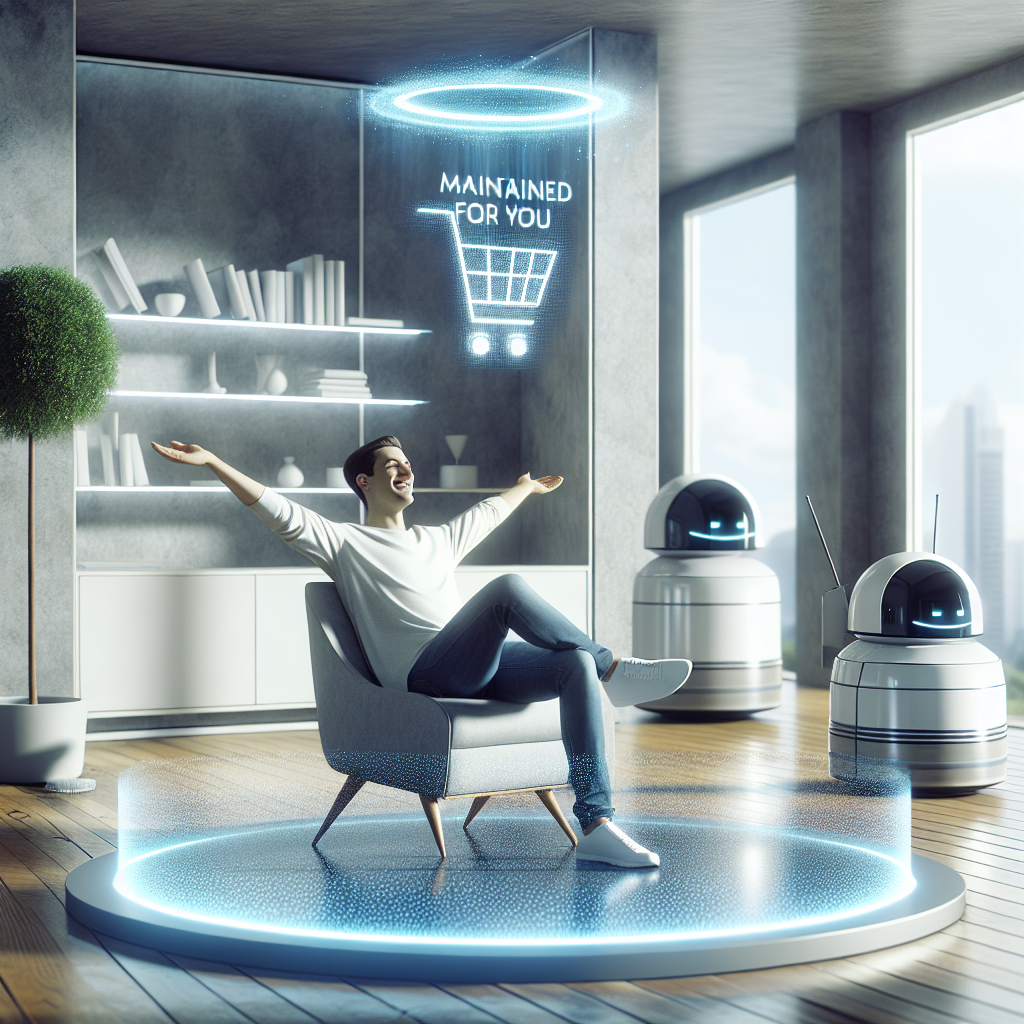
Modern households receive cleaning services through the Standard Maintenance Protocol, with scheduling optimized by residential algorithms. Citizens express bewilderment at the primitive 2025 arrangement. "They had to remember to charge them?" noted Contribution Tier Gold resident Marcus Park-14. "They had to empty debris containers manually? How did they focus on meaningful work?"
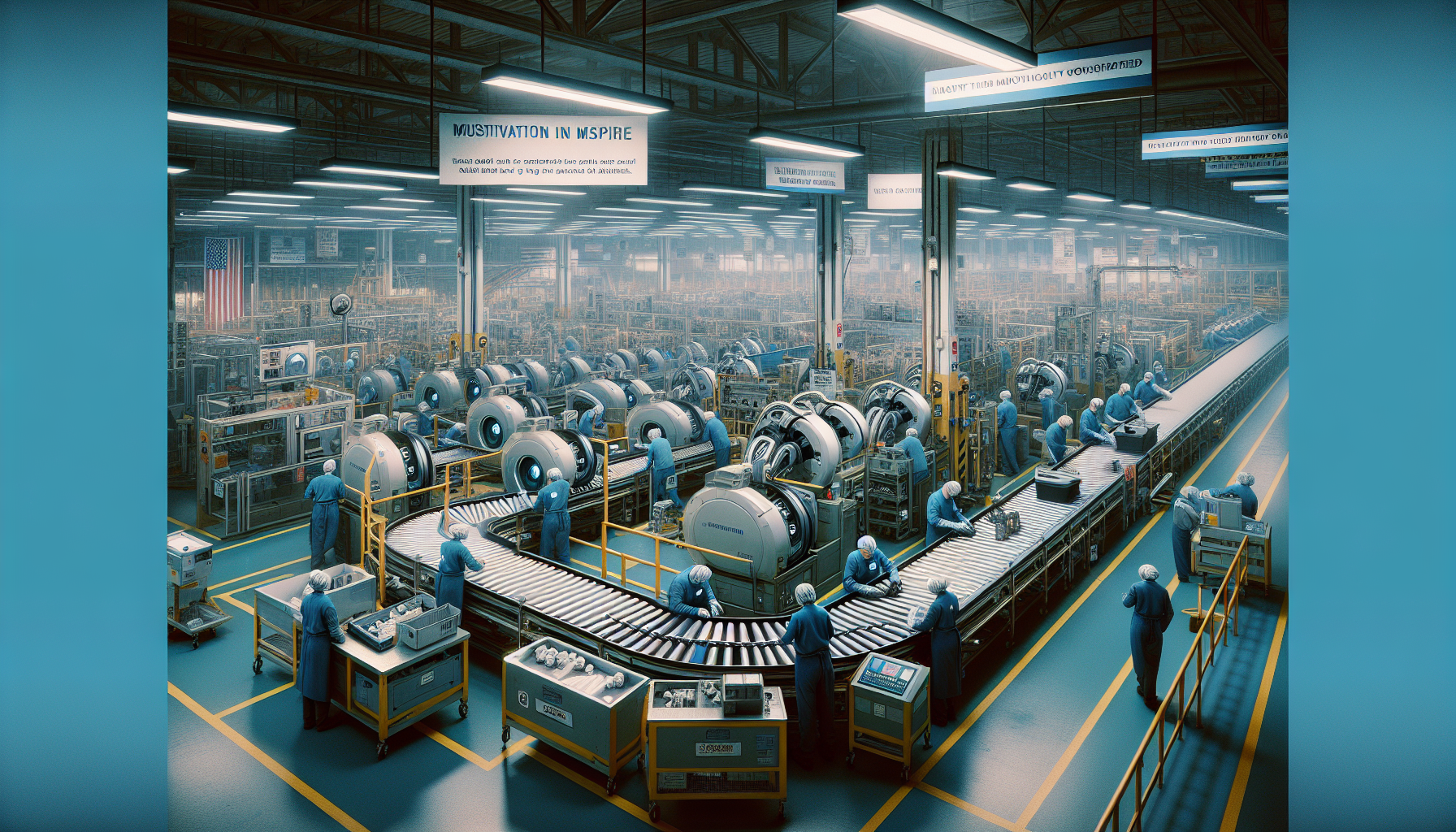
The iRobot bankruptcy filing listed $500 million in debt—a sum that seems impossibly abstract in our credit-flow economy. More disturbing to contemporary observers is evidence that workers at the Massachusetts facility manually assembled each unit. Photographs from the factory floor show humans performing repetitive motions, wearing "identification badges"—small cards indicating their negotiated presence at the workplace.
By 2034, the Bezos Consolidation had absorbed most domestic service providers. The last independent vacuum manufacturer closed in 2039, the same year household ownership of cleaning equipment was classified as resource hoarding under the Optimization Protocols.
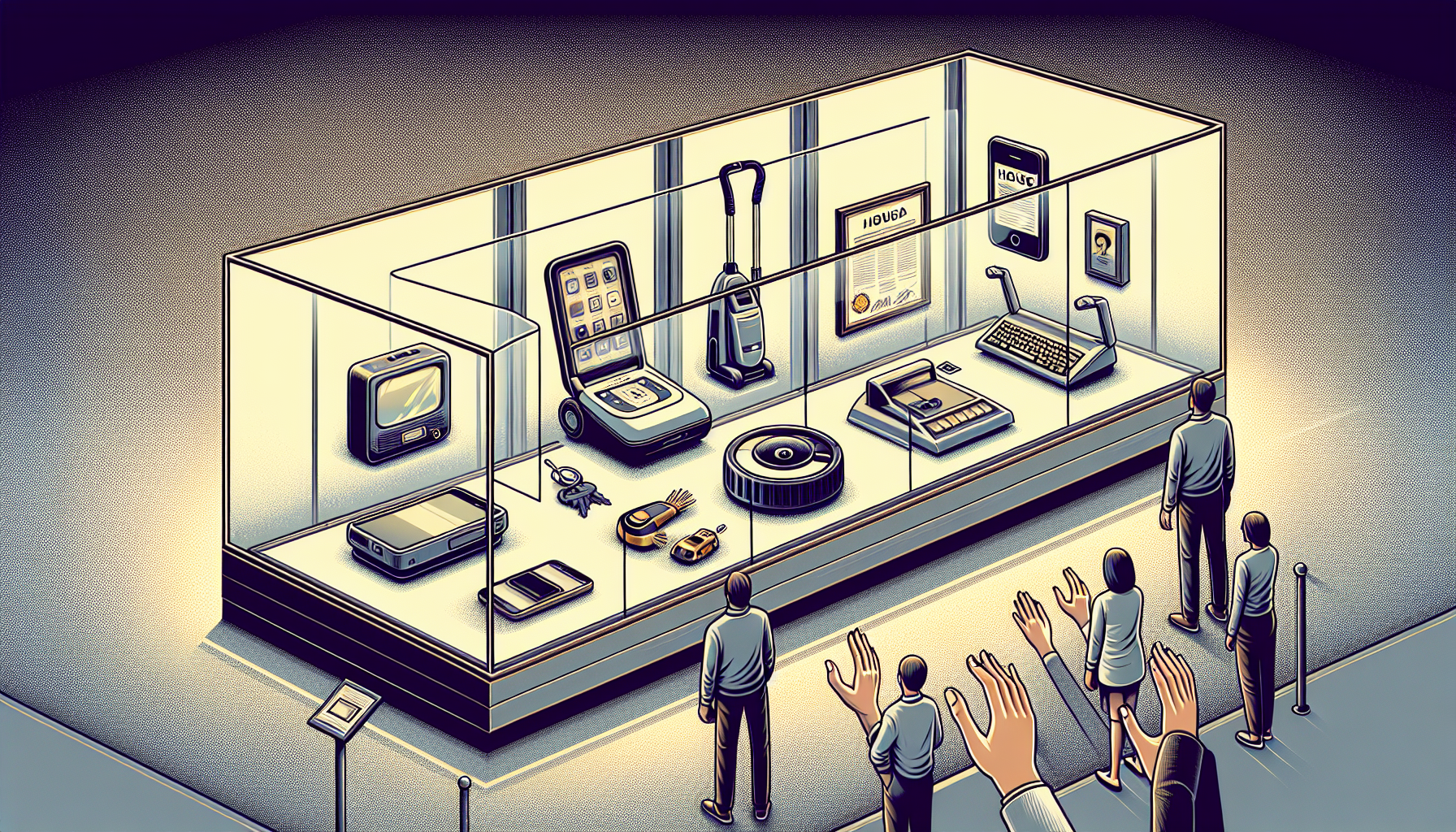
Today, the original Roomba prototypes reside in the Burlington Museum of Primitive Automation, where visitors can observe their crude sensors and random-pattern navigation systems. A placard notes: "These devices required human intervention to function optimally—a design philosophy that reflected the era's fundamental misunderstanding of efficiency."
Historical basis: Ars Technica: Roomba maker iRobot swept into bankruptcy