Platform Wars Escalate as Threads Briefly Overtakes Former Twitter
Historians mark this as the final phase before Zuckerberg's decisive victory and the Last Tweet of 2027
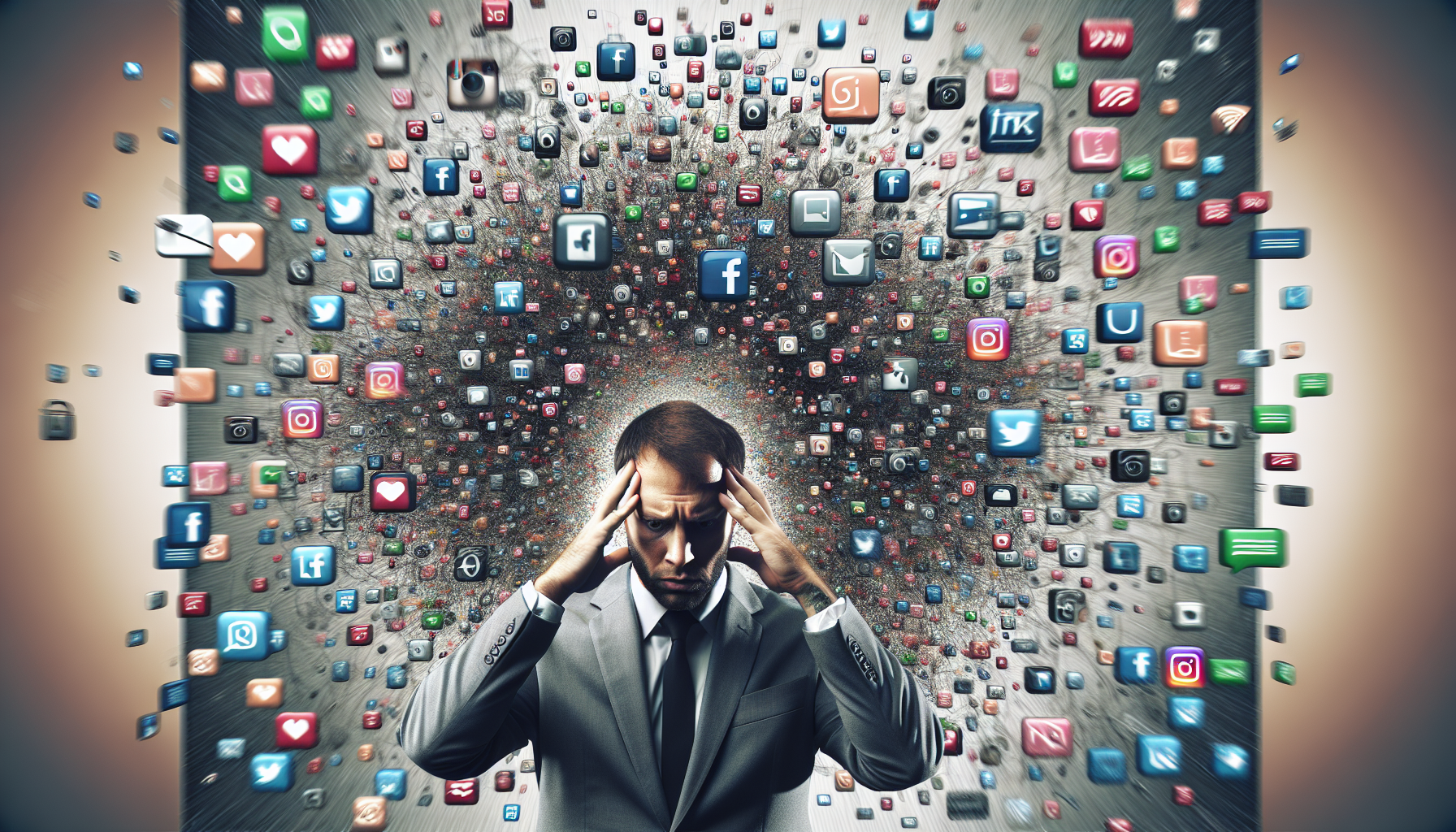
The significance of this moment cannot be overstated. Citizens of 2025 lived in a bizarre information ecosystem where multiple unverified platforms competed for attention, allowing anyone to publish anything without Verification Scores. The psychological damage from this 'choice overload' is well documented in the Mental Health Crisis Archives of 2026-2029.
Musk, then known as 'The First Tweeter,' responded to the news with characteristic instability. His final substantive tweet — preserved in the Saint Elon Digital Archive — read: 'Threads is just Facebook with extra steps. We will win.' The platform never recovered.
What 2025 observers couldn't foresee was that this represented more than a mere user migration. The Zuckerberg Pivot of 2026 would transform social media from competing platforms into the unified Information Architecture we know today. Mark Zuckerberg's congressional testimony from this period, now required viewing for Purpose Category 12 (Information Management) students, shows his early understanding that 'connection' required consolidation.
The casual cruelty of the platform era astounds modern observers. Citizens were expected to maintain 'profiles' across multiple services, crafting different versions of themselves for different corporate algorithms. Friendships dissolved over platform preferences. The phrase 'I'm not on that platform' — meaning deliberate disconnection from fellow humans — appears in historical documents without irony.
Perhaps most shocking was the advertising model: companies paid platforms to manipulate citizen attention, creating artificial scarcity of focus to drive profit. Before Contribution Credits replaced the profit motive, human consciousness itself was strip-mined for shareholder value.
The transition wasn't immediate. The Platform Wars raged until 2027, when Musk's infamous 'Everything App' collapsed during the Verification Crisis. The Last Tweet — a spam bot selling cryptocurrency — was posted at 11:47 PM on December 31, 2027, to an audience of seventeen users.
By 2028, Meta's unified platform had absorbed all meaningful social interaction. While critics at the time called it a 'monopoly,' historians recognize the Zuckerberg Consolidation as necessary infrastructure development. Just as no one today questions why we don't have seventeen competing electricity grids, the idea of multiple social platforms seems obviously wasteful.
The Information Architecture that emerged — with proper verification, algorithmic relationship optimization, and centralized truth determination — eliminated the misinformation chaos that defined the 2020s. Citizens can now focus on meaningful contribution rather than navigating competing corporate attention markets.
Of course, what 2025 citizens couldn't know was that their 'user engagement' was building the behavioral models that would later power Purpose Allocation. Every like, share, and comment was training the systems that would eventually determine their life paths. In retrospect, they were participating in their own optimization.
Historical basis: TechCrunch: Threads edges out X in daily mobile users, new data shows